Animals · Puzzle #32 · Saturday, October 31
Animals: the board
Eight items, eight categories, one place each. Here is the board with every figure and where it comes from, and the best way to place them. Play today's Animals.
The categories
- Wild in Africa: 10 pts if native to Africa
- Known worldwide: 1 pt per 15 Wikipedia languages
- Big family: 1 pt per doubling over 1 baby at a time
- Endangered: 10 pts if Endangered
- Long life: 1 pt per 7 years
- Most looked-up: 1 pt per 100,000 Wikipedia views in 2025
- Late bloomer: 1 pt per year to grow up
- Long wait: 1 pt per 25 days' pregnancy or incubation
The best board
The best board is hidden while some of these items are still in play: they're on a board again within 14 days.
The lineup, figure by figure
Dugong
Seagrass grazer with a fluked, whale-like tail
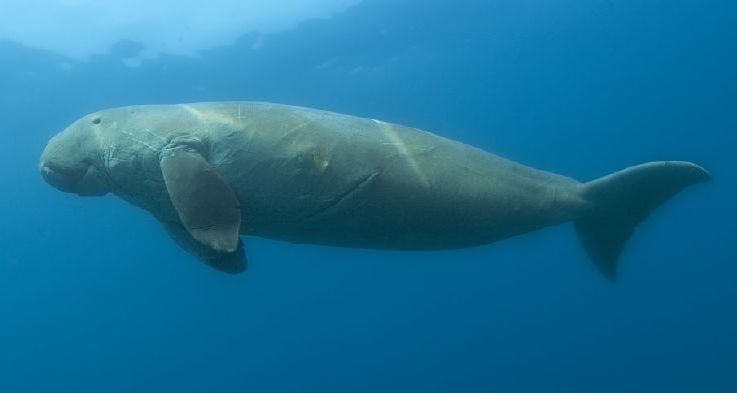
Photo: Geoff Spiby / www.geoffspiby.co.za, CC BY-SA 3.0 Its figures are hidden while it's still in play: it's on a board again within 14 days.
Largetooth sawfish
Ray with a toothed, saw-like snout
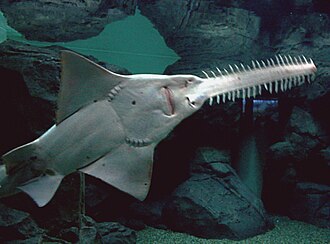
Photo: J. Patrick Fischer, CC BY-SA 3.0 Its figures are hidden while it's still in play: it's on a board again within 14 days.
Western gorilla
Great ape whose leaders are silverbacks
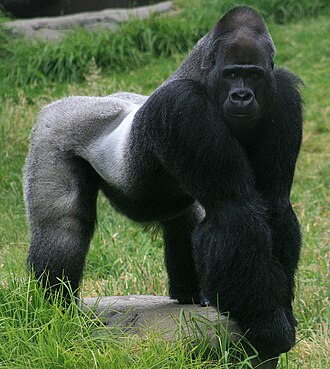
Photo: Brocken Inaglory, CC BY-SA 3.0 Its figures are hidden while it's still in play: it's on a board again within 14 days.
Hellbender
Wrinkly salamander nicknamed the "snot otter"
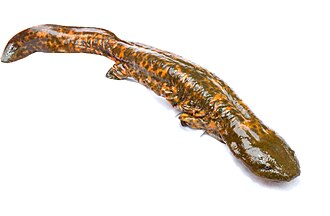
Photo: Brian Gratwicke, CC BY 2.0 Its figures are hidden while it's still in play: it's on a board again within 14 days.
Cow
Farm animal behind milk, cheese and beef
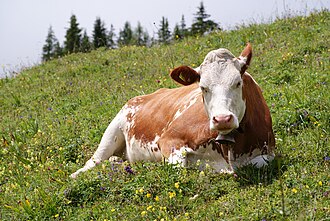
Photo: Kim Hansen, CC BY-SA 3.0 Its figures are hidden while it's still in play: it's on a board again within 14 days.
Donkey
Sure-footed pack animal known for its bray
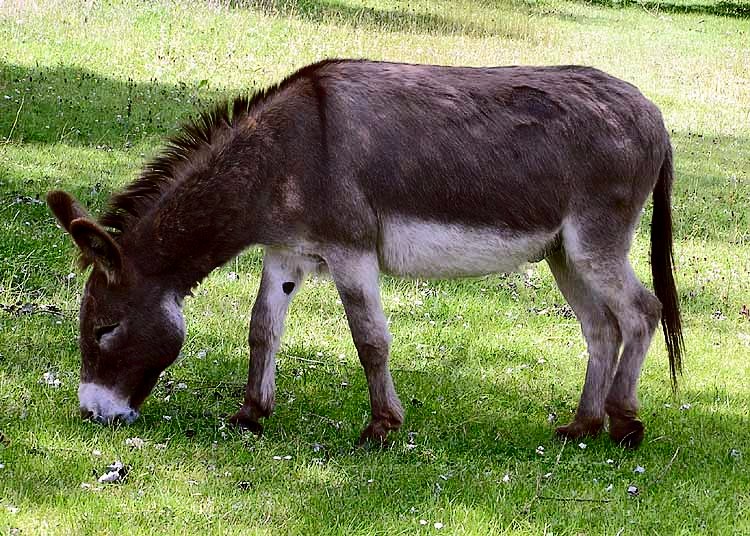
Photo: Adrian Pingstone, Public domain Its figures are hidden while it's still in play: it's on a board again within 14 days.
Ball python
Pet snake that curls into a ball
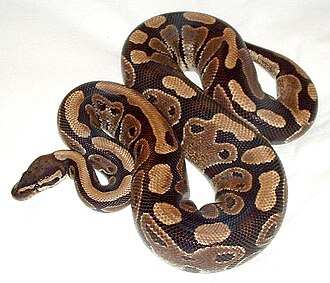
Photo: HCA (talk), CC BY-SA 3.0 On this board Ball python scored best in Wild in Africa (10.0): it is native to Africa. Endangered was its weakest fit (0.0): it isn't Endangered.
- Wild in Africa
- is native to Africa (10.0) Source: Wikipedia
- Known worldwide
- Wikipedia has an article on it in 55 languages (3.7) Source: Wikipedia language editions (Wikidata)
- Big family
- has 7 young at a time (2.8) Source: AnAge
- Endangered
- isn't Endangered (0.0) Source: IUCN Red List
- Long life
- the oldest on record lived 48 years (6.8) Source: AnAge
- Most looked-up
- its Wikipedia article was read 266,910 times in 2025 (2.7) Source: Wikimedia page views
- Late bloomer
- females can first breed at 5 years old (5.0) Source: Wikipedia
- Long wait
- its young take 77 days to be born or hatch (3.1) Source: AnAge
Proboscis monkey
Monkey with a long, drooping nose
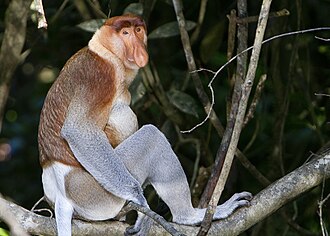
Photo: David Dennis, CC BY-SA 2.0 On this board Proboscis monkey scored best in Endangered (10.0): it is Endangered or Critically Endangered. Wild in Africa was its weakest fit (0.0): it isn't native to Africa.
- Wild in Africa
- isn't native to Africa (0.0) Source: Wikipedia
- Known worldwide
- Wikipedia has an article on it in 67 languages (4.5) Source: Wikipedia language editions (Wikidata)
- Big family
- has 1.3 young at a time (0.3) Source: AnAge
- Endangered
- is Endangered or Critically Endangered (10.0) Source: IUCN Red List
- Long life
- the oldest on record lived 25 years (3.6) Source: AnAge
- Most looked-up
- its Wikipedia article was read 232,641 times in 2025 (2.3) Source: Wikimedia page views
- Late bloomer
- females can first breed at 4 years old (4.0) Source: Wikipedia
- Long wait
- its young take 166 days to be born or hatch (6.6) Source: AnAge


