daily.surf
#1

Puzzle #1 · Wednesday, September 30

Eight cities.
Where does each one fit?

Put each city in the category where it scores best: one to a category, in the lineup's order, so plan for the ones still to come. The better the fit, the bigger the trick, and five judges score each wave out of 10, for up to 80.0 in all.

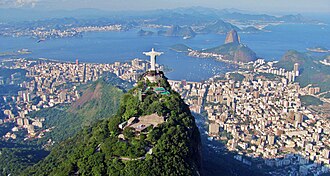
  1. Rio de JaneiroRio de Janeiro, Brazil
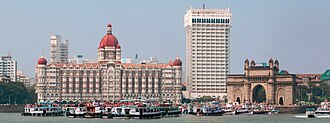
  2. MumbaiMaharashtra, India
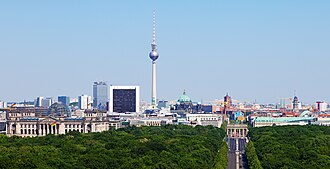
  3. BerlinGermany
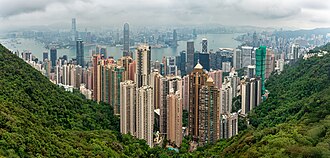
  4. Hong KongChina
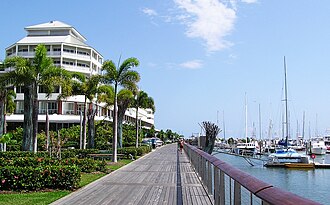
  5. CairnsQueensland, Australia
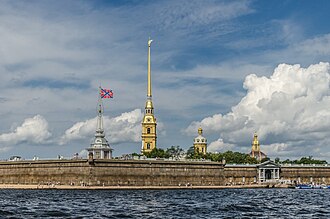
  6. Saint PetersburgRussia
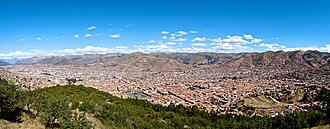
  7. CuscoPeru
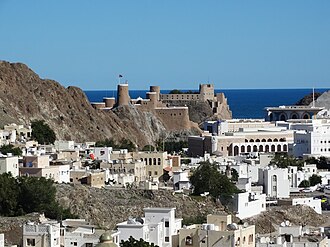
  8. MuscatOman
  1. Packed in1 pt per doubling over 40 people per square mile
  2. Sprawl1 pt per doubling over 2 square miles
  3. Big city1 pt per doubling over 10,000 people
  4. Rainy1 pt per 8 inches of rain a year
  5. Most looked-up1 pt per 150,000 Wikipedia views in 2025
  6. Olympic host10 pts if it has hosted the OlympicsYes or no
  7. High altitude1 pt per 500 ft above sea level
  8. Known worldwide1 pt per 30 Wikipedia languages

Figures come from Wikidata, NASA POWER climate records and Wikipedia’s own page views. Photos from Wikimedia Commons. No clock: take your time. One scored game per device per day; replays are practice.
How to play

The trick each score earns
ScoreTrick
10.0Backflip or Air 360
8.5-9.9Indy grab
6.5-8.4Frontside air
4.5-6.4Lip snap
2.5-4.4Carve
0.1-2.4Wipeout
0.0Big wipeout

The categories, and how each one scores. Population, area, density and age count doublings: each one adds the points on the tile, so 80,000 to 160,000 people counts as much as 5 million to 10 million. A city is what’s inside its own limits, not its metro area.

Big city
People living inside the city's own limits: 1 point for every doubling over 10,000, so 80,000 scores 3, 640,000 6, 5.1 million 9, and about 10 million or more 10. Suburbs outside the limits don't count.
Sprawl
The land inside its city limits: 1 point for every doubling over 2 square miles, so 16 scores 3, 128 scores 6, 1,024 scores 9, and about 2,000 or more 10.
Packed in
People per square mile inside its limits: 1 point for every doubling over 40, so 320 scores 3, 2,560 scores 6, 20,480 scores 9, and about 41,000 or more 10.
High altitude
How high above sea level it sits: 1 point for every 500 ft, so 2,500 ft scores 5, and 5,000 ft or more 10.
Old town
Years since it was founded, or first recorded as a town: 1 point for every doubling over 2 years, so 16 years scores 3, 128 years 6, 1,024 years 9, and about 2,000 years or more 10. A city no source dates sits this one out.
Far from the equator
How far it is from the equator, north or south: 1 point for every 6 degrees of latitude, so 30° scores 5, and 60° or more 10.
Hot spot
The average temperature over a whole year (NASA, 2001-2020): 1 point for every 5°F over 30°F, so 55°F scores 5, and 80°F or more 10.
Rainy
Rain and snow, in inches of water a year (NASA, 2001-2020): 1 point for every 8 inches, so 40 inches scores 5, and 80 or more 10.
Most looked-up
How often people read its English Wikipedia article in 2025: 1 point for every 150,000 views, so 750,000 scores 5, and 1.5 million or more 10.
Known worldwide
How many languages Wikipedia has an article on it in: 1 point for every 30, so 150 languages scores 5, and 300 or more 10.
Capital city
It's its country's capital: 10 points. Where the answer is split (Bern, La Paz, Cape Town), the city sits this one out.
Seaside
It's on a sea or ocean coast: 10 points. A lake shore, like Chicago's, doesn't count; a city on an estuary sits this one out.
Olympic host
It has hosted a Summer or Winter Olympics: 10 points.
Down south
It's south of the equator: 10 points.

Ride the curve. When you finish, you'll see how your heat stacks up against everyone who played today.

Rides play without flips, spins, or tumbling, waves rise in place instead of rolling in, and the sea stays still.

No sign-up. We store only an anonymous, hashed device ID with your scores. Figures come from Wikidata, NASA POWER climate records and Wikipedia’s own page views. Photos from Wikimedia Commons. Each photo's author and license are under it. More in About.